A Partition of the Sensible (Un Hommage à Rancière), 2020
Back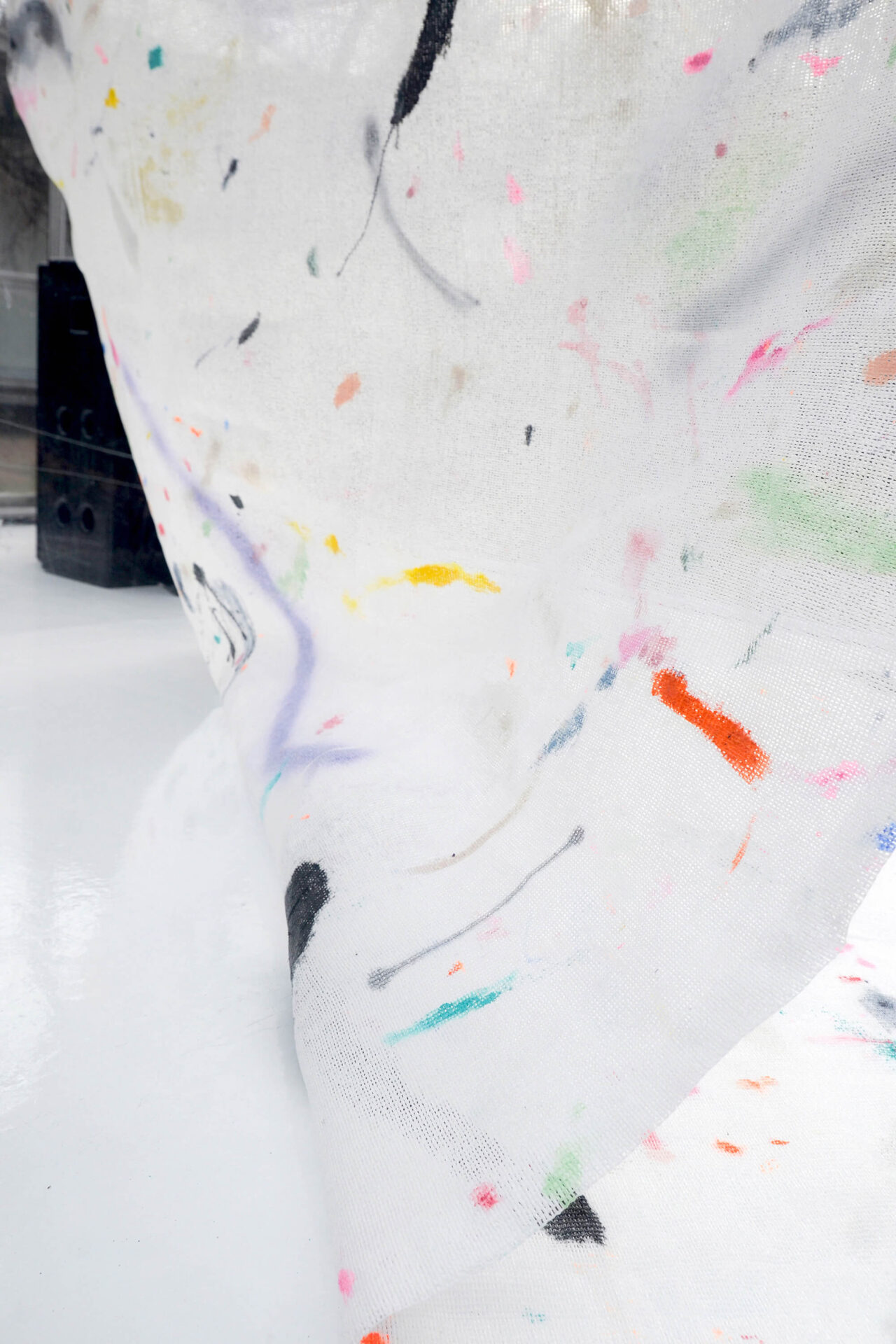
The objects we inhabit have a kind of temperament, a character very much defined by the purpose for which the object is made. When I look at my living room and see the chairs, I think of their kindness and courtesy.
They seem to say: “Please, sit down.” The same is true of the sofa: “Relax, make yourself comfortable,” with the sofa blankets: “Cover yourself and you’ll see how soft I am,” the books on my bookshelf: “Come, let me tell you something.”
However, as soon as I leave the house, the kindness ends. The objects in public spaces have a rougher, more narcissistic and prohibitive character.
Traffic lights have appropriated color and shout in silence. Some have built-in sound for blind people, but most need you to look at them all the time. Otherwise, you won’t know when to cross the street. If you don’t like the facades of buildings, you can’t look away.
I’ve also even seen benches that only fit one person so nobody has the temptation to talk to anybody. And also benches that face a wall, to sit down and reflect on how miserable life could be.
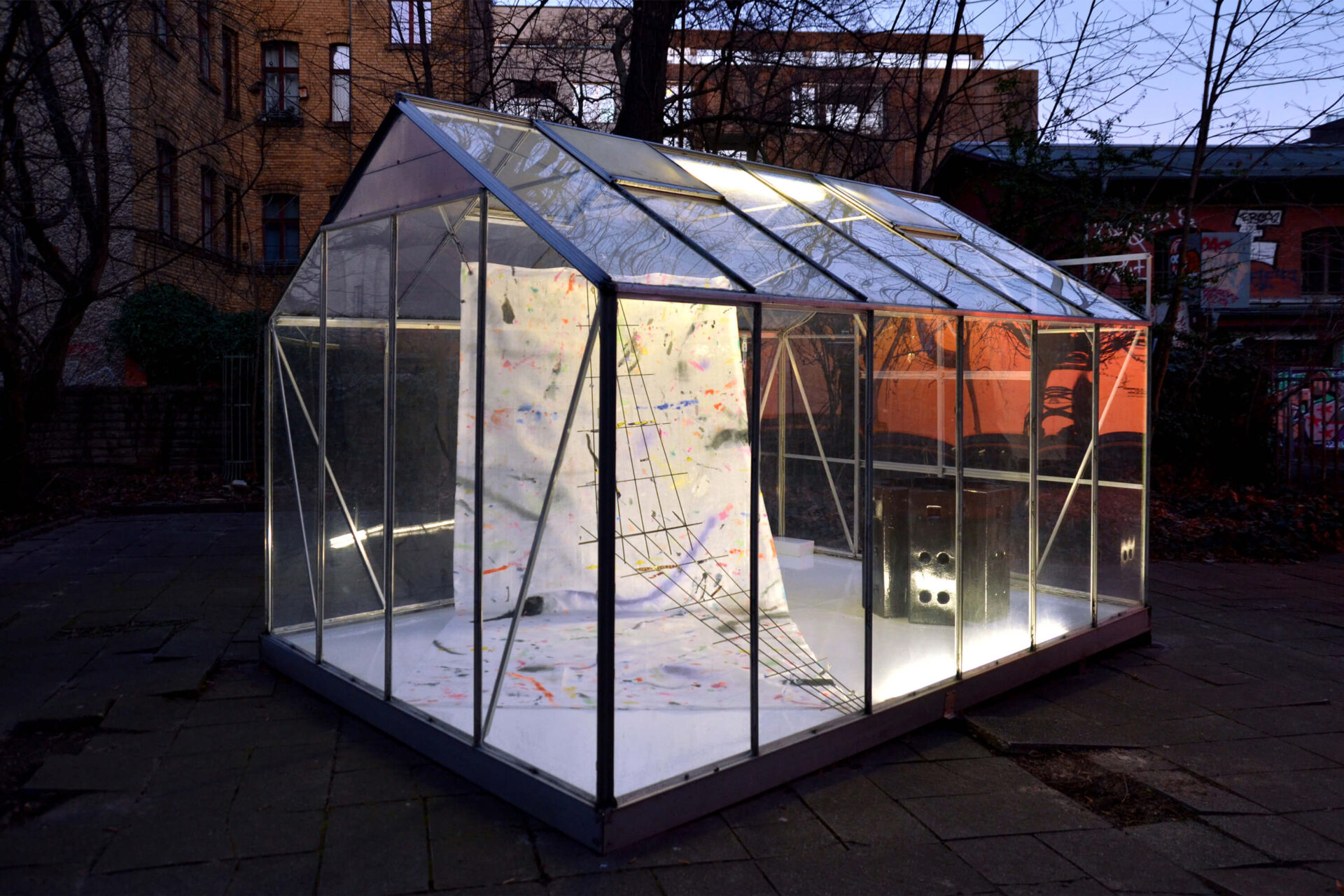
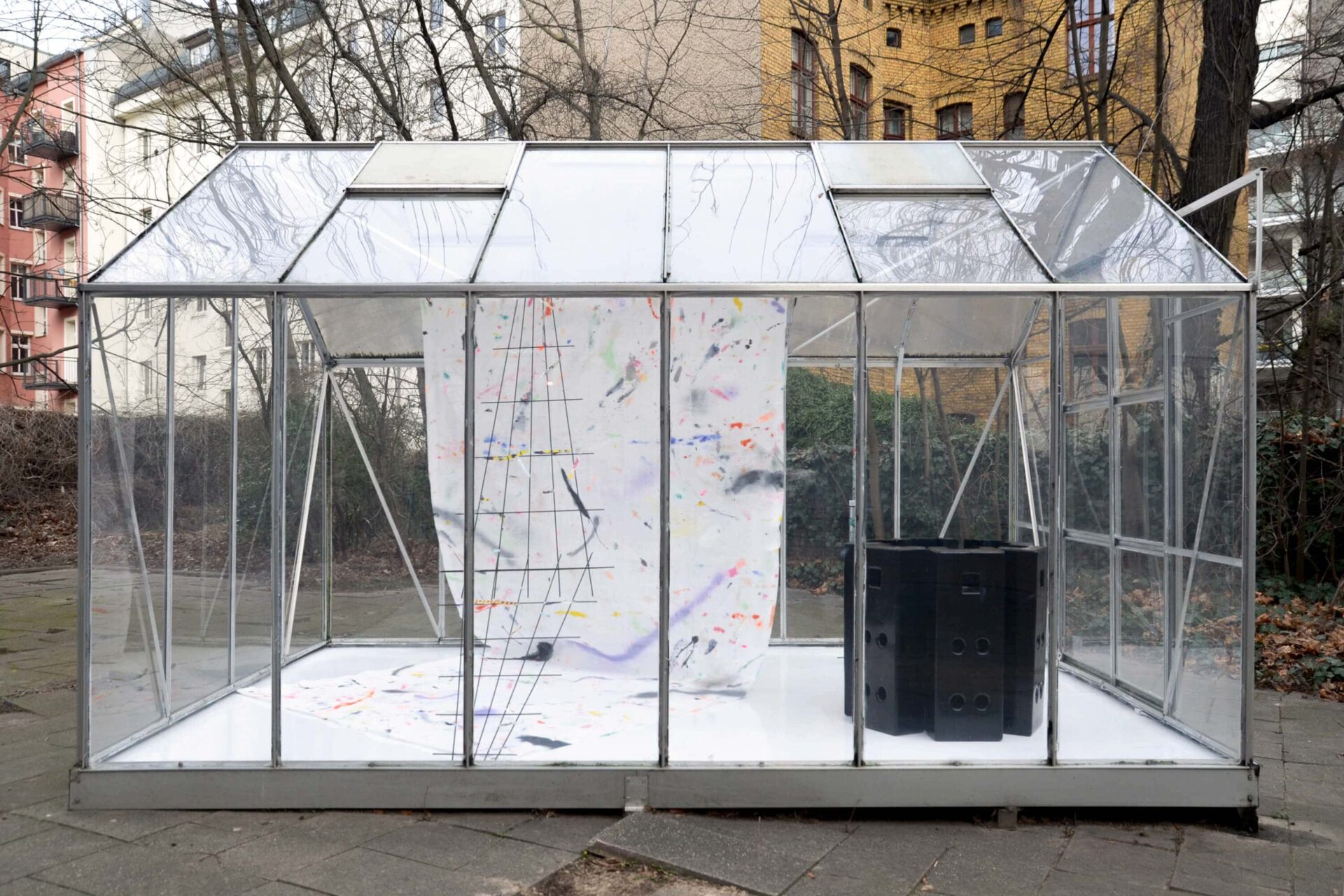
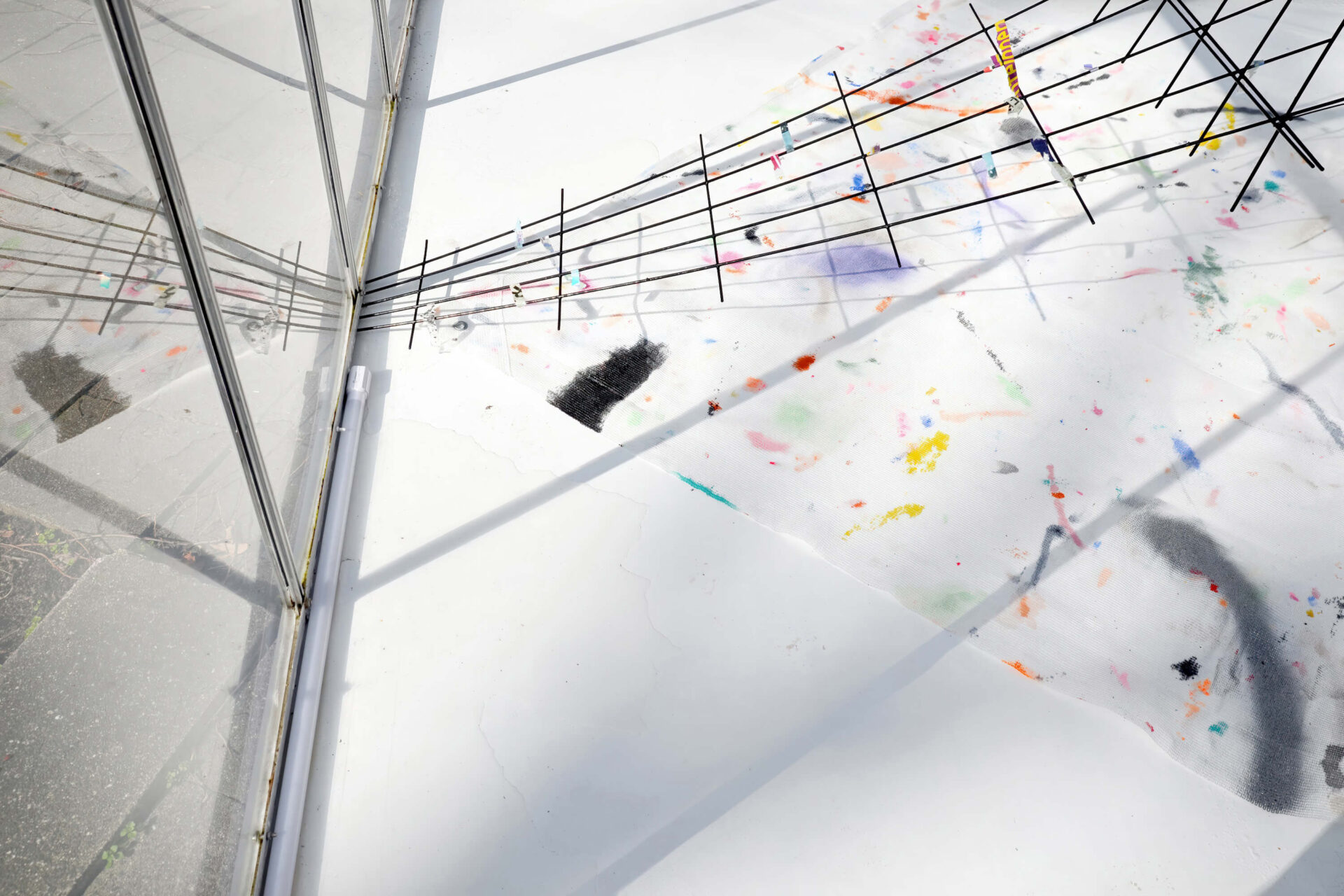
What strikes me most are the fences at construction sites. You are not allowed to go through here but you can see what’s going on. The metal mesh of the fences is almost always imperfect. The fences have suffered the rigors of transport, and almost all of them bear some kind of mark. The lightness of the fence contrasts with the heaviness of its supports. If these supports were vertical, they would be more prone to instability.
There is no object more respected in public space than a fence. The fences slap the ego of traffic lights in the face; who hasn’t crossed on a red light at some point?
Public space is full of remnants of broken rules: trash outside the bins, dog feces, cigarette butts on the ground, graffiti on the walls, broken lampposts but I’ve never seen a person jumping a fence.
Dear Rancière, I think a fence is perfect for starting to practice detaching the norm from the object.
A break with what until then was perceived as “the natural order” to reconfigure the sensitive frames of society, where common objects are defined, is what Rancière calls politics. This rupture must not only break with the order of legitimization of the distribution of the visible and the invisible, but with the logic of this order. A fence materializes some natural orders whose rupture has been claimed for some time: The creation of borders that denies the entering with the excuse of protection, non-transparency in the information and the definition of the place where a moment of change and speculation happens.
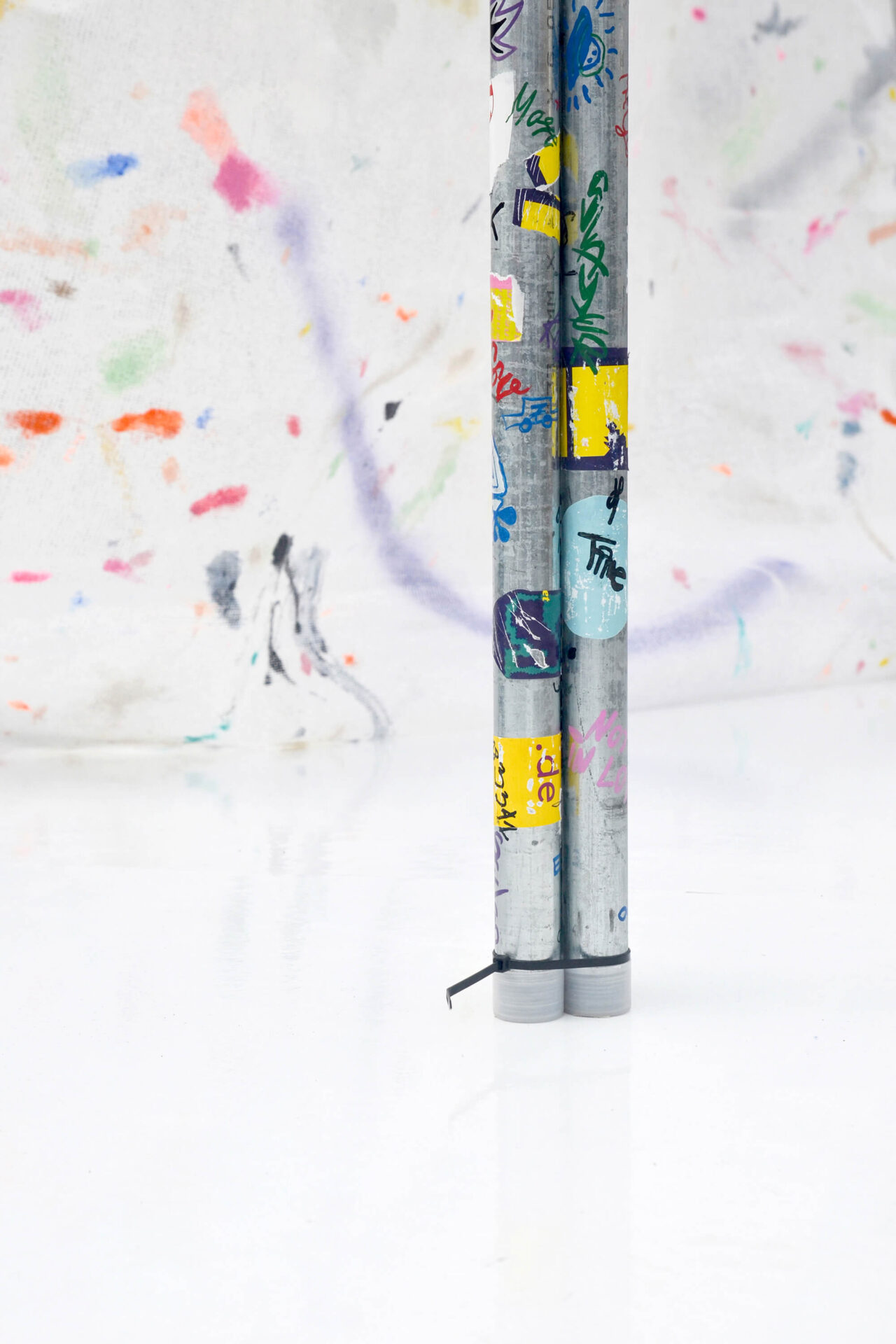
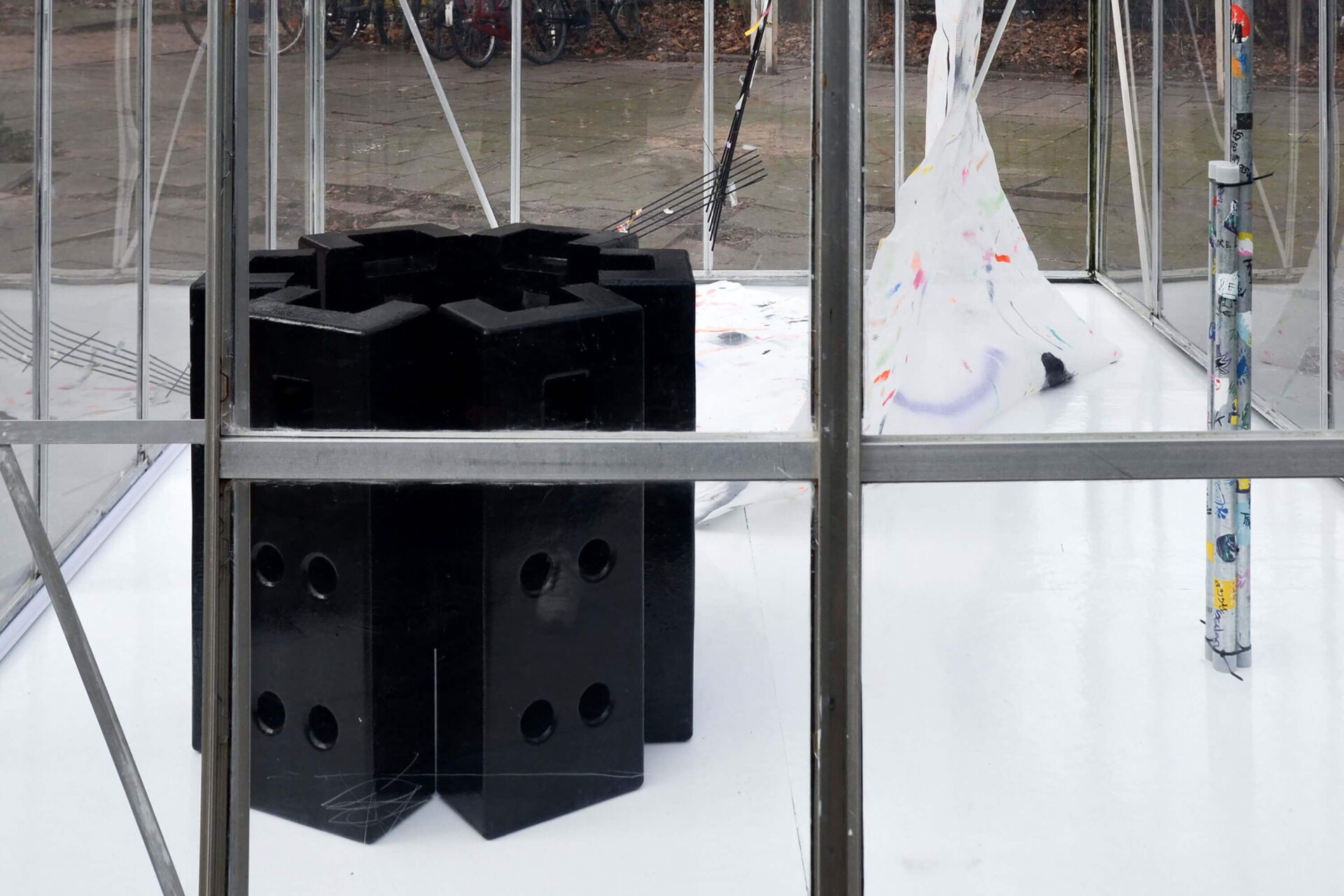
This installation based on the “A Partition of the Sensible”, also called “The distribution of the common” by Rancière, proposes a necessary aesthetic experience to provoke a break with the natural orders that the fence itself represents. This is claimed by the deconstruction of a fence that, when taken from its function, passes from being an object to be a material.
